Coating a boat differs from work on land in two ways: the surface moves constantly and contact with water is permanent. On a wooden boat it is decisive that the seams stay elastic; on a fiberglass boat, that the lamination is free of voids. The ZNR marine group contains separate products for these two jobs.
Underwater antifouling paint is not in the ZNR catalogue. The topcoat below is for above-water areas; the underwater coating is bought from another supplier.
The primer row appears once in the variants, but the data is more interchangeable than that: both ZNR PRIMER MPU 345 and ZNR PRIMER MEP 445 are declared for wooden and for fiberglass boats. The split here — polyurethane on wood, epoxy primer on fiberglass — is a preference made with topcoat compatibility in mind; the data does not state a single right answer.
7 layers, in application order.
| Layer | Product | Role | Consumption and packaging | |
|---|---|---|---|---|
| 01 | Bonding plywood |
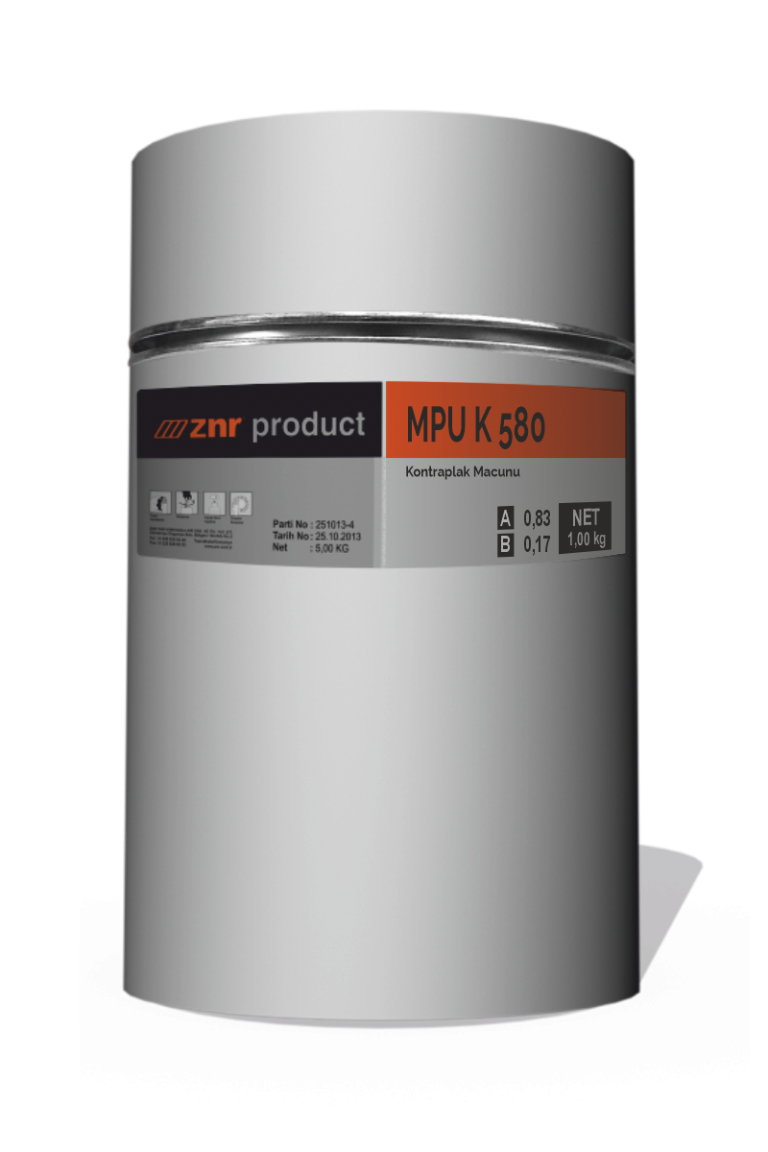
ZNR MPU K 580
907
|
Bonding plywood panels. Because it has gap-filling capacity it also works on an uneven frame. When required. |
1.6 kg/m² for 1 mm thickness | Varies depending on surface conditions
1 kg, 5 kg, 10 kg, and 25 kg | ready-to-use sets
|
| 02 | Seam filling — vertical |
ZNR PUTTY MPU 25
904
|
Seam filling on gunwales and sloping surfaces. It is non-sag, so it holds on vertical faces. |
1.6 kg/m² for 1 mm thickness | (Varies depending on surface conditions)
1 kg, 5 kg, and 25 kg | ready-to-use sets
|
| 03 | Seam filling — horizontal |
ZNR PUTTY MPU SL30
903
|
On deck seams the self-leveling compound spreads by itself and fills the joint from the bottom up. |
1.5 kg/m² for 1 mm thickness | Varies depending on surface conditions
1 kg, 5 kg, and 25 kg | ready-to-use sets
|
| 04 | Lamination |
ZNR LAMINATE MEP 234
902
|
Binder between the fiber layers; in repair and strengthening on wooden boats. Can also be applied to a damp surface. When required. |
Varies according to the weight of the fiber. Approximately 3 times the weight of the fiber.
10 kg and 20 kg ready-to-use sets
|
| 05 | Fairing and leveling |
ZNR PUTTY M LIGHT
906
|
Fairing compound. Because it is low density it adds no weight to the boat. |
0.750 kg/m² for 1 mm thickness | (Varies depending on surface conditions)
2 kg, 10 kg, and 20 kg | ready-to-use sets
|
| 06 | Primer |
ZNR PRIMER MPU 345
900
|
Establishes adhesion under the polyurethane topcoat and prevents air bubbles. Mandatory. |
150–250 g/m² | (Varies depending on surface conditions)
1 kg and 5 kg ready-to-use sets
|
| 07 | Topcoat |
ZNR MPU 370
905
|
Aliphatic polyurethane; resistant to UV and weather. On above-water areas. Mandatory. |
0.150–0.250 kg/m² in a single coat | Varies depending on surface conditions
20 kg ready-to-use set
|
Consumption and packaging are read from the product record and are not written separately on this page — when the product is updated, this is updated too.
8 products. The other items in the system (insulation board, dowel, drainage board, mechanical work) are not ZNR products and are not in the catalogue.
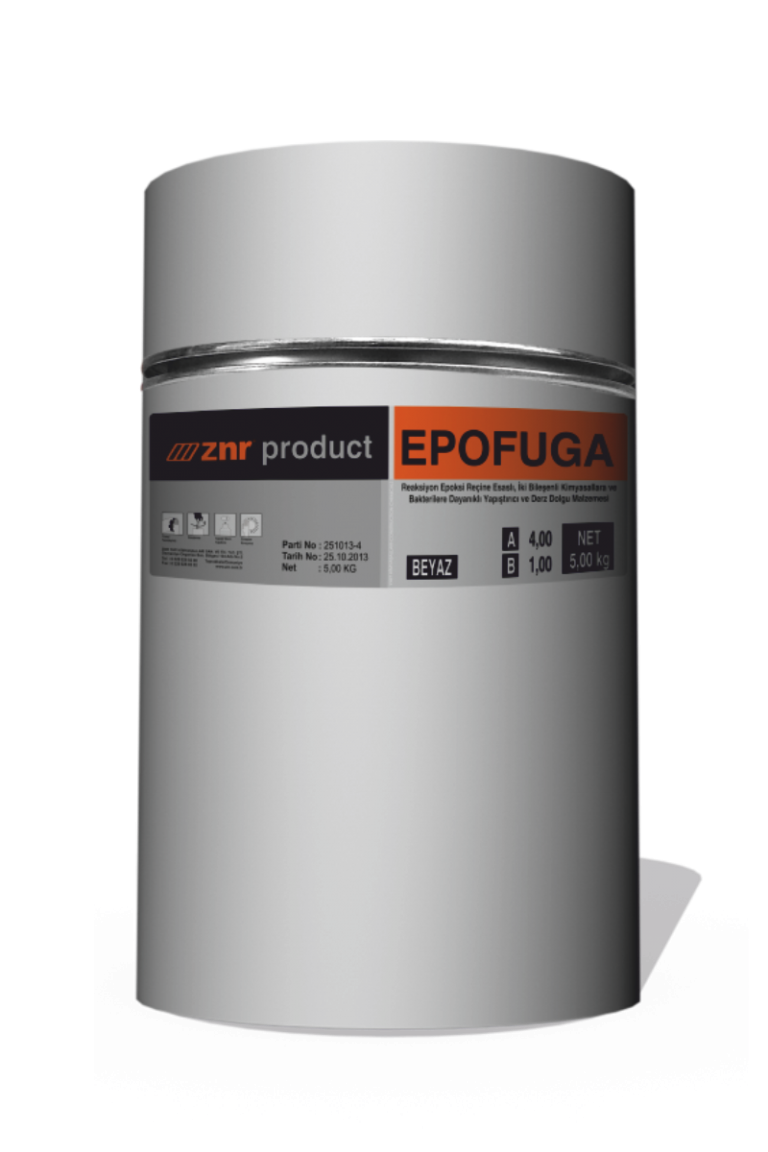
Polyurethane-Based Impregnation Primer
Solvent-Free Epoxy-Based Impregnation Primer
Solvent-Free Epoxy-Based Lamination Resin
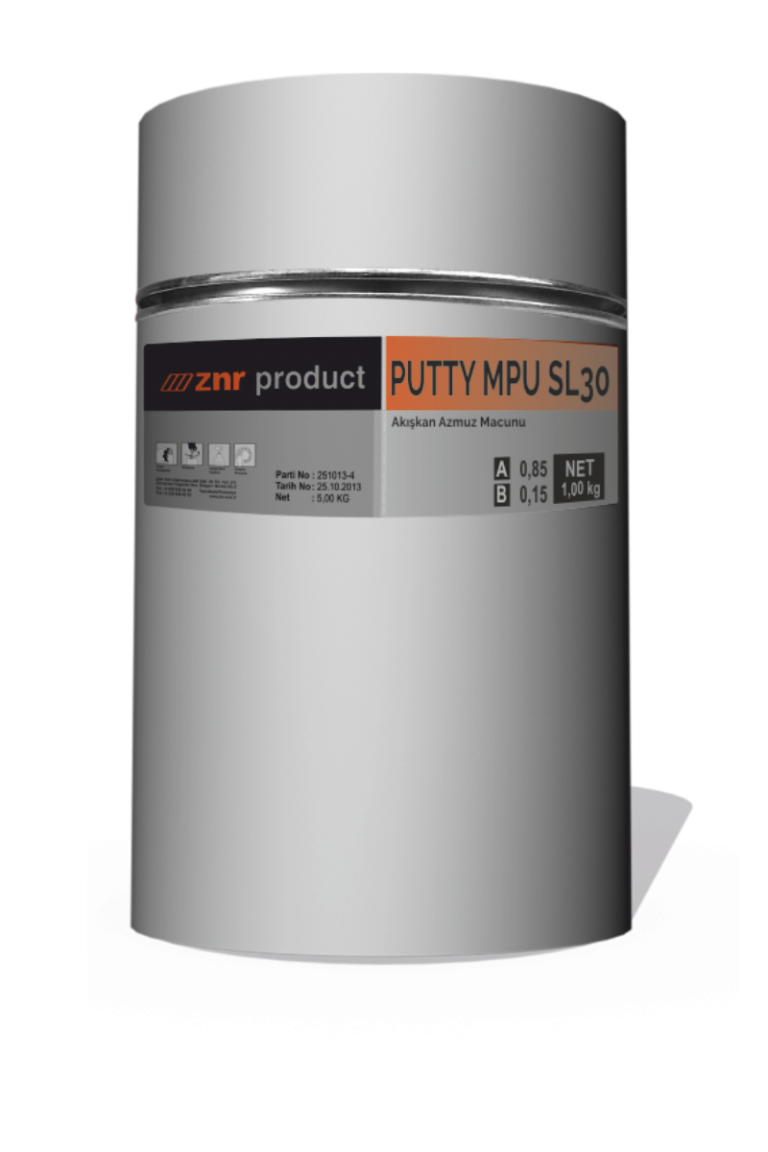
Flowable Seam Caulking Compound
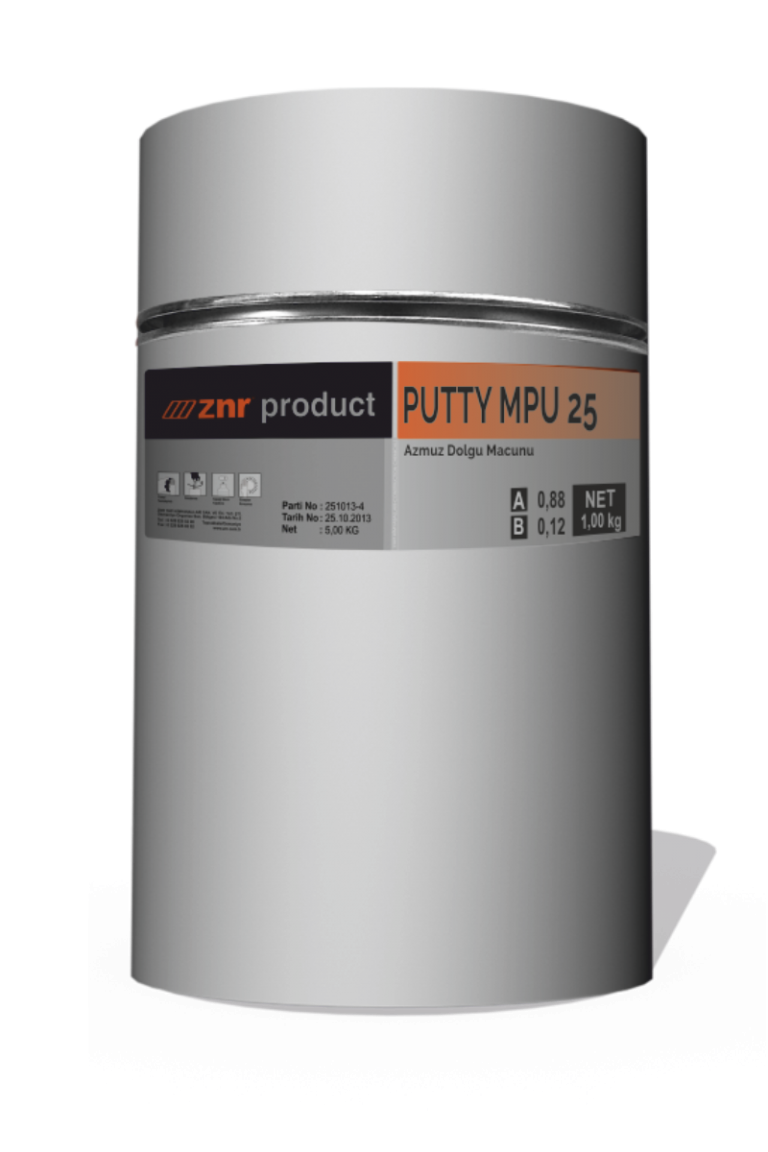
Seam Filling Compound
Aliphatic Polyurethane-Based Protective Topcoat Paint
Lightweight Epoxy Fairing Compound
Plywood Bonding Compound
Epoxy is strong on adhesion and as a barrier, but it yellows and chalks under UV. Aliphatic polyurethane brings the UV resistance. The two work together: grip below, durability above.
According to the position of the surface. On a horizontal deck the self-leveling type (SL30) fills the joint from the bottom up; on the gunwale and sloping surfaces the non-sag type (MPU 25) stays in place. Both are polyurethane based and elastic.
Fairing compound goes over the whole hull surface as a thin coat; a heavy compound adds serious weight in total. A low-density compound does the same job without the weight.
It is not. This system covers above-water areas. The antifouling paint needed below the waterline is not in the ZNR catalogue; that item is bought from another supplier.
Details such as the parapet return, the drain mouth and the expansion joint decide the fate of the system. Our technical team looks at it in place.